
Machining Nylon 66: Essential Tips and Techniques for Precision Results
By:Admin
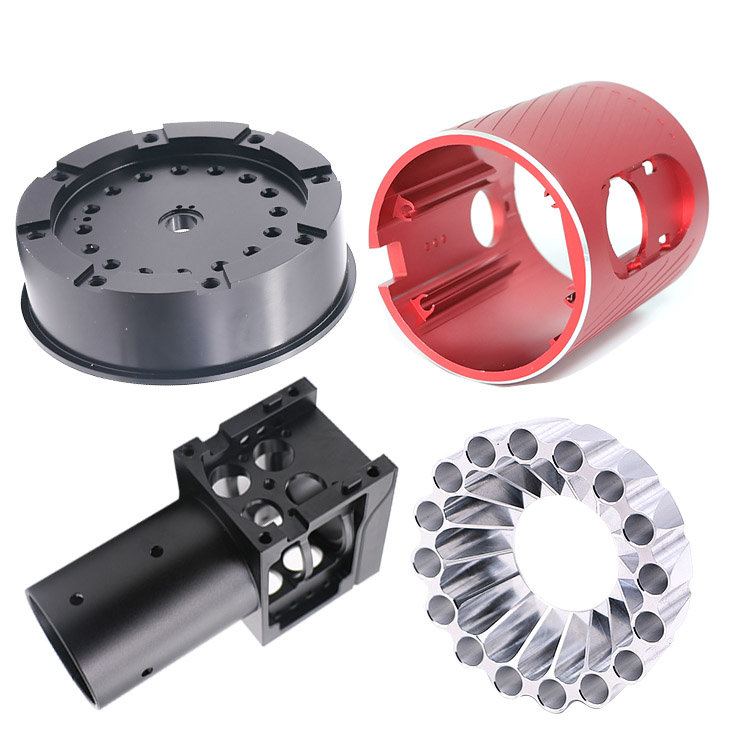
In the ever-evolving landscape of manufacturing materials, Machining Nylon 66 has emerged as a game-changer, offering unmatched performance and versatility across a multitude of applications. This advanced engineering plastic is gaining traction among manufacturers seeking durable, lightweight, and cost-effective solutions. As industries worldwide push for innovation and efficiency, the integration of Machining Nylon 66 is proving to be a pivotal move toward heightened product quality and operational excellence.
**Unveiling the Potential of Machining Nylon 66**
Nylon 66, known chemically as polyamide 66, is a synthetic polymer renowned for its excellent mechanical strength, thermal stability, and chemical resistance. These properties make it particularly suited for precision machining processes where tight tolerances and durability are critical.
Machining Nylon 66 allows manufacturers to create intricate parts with superior dimensional accuracy, essential in fields such as automotive, aerospace, electronics, and consumer goods. Unlike conventional thermoplastics, this grade of nylon provides enhanced wear resistance and low friction, contributing to longer service life of components subjected to dynamic loads and harsh environments.
One of the key benefits of Machining Nylon 66 is its compatibility with a wide range of machining techniques including CNC milling, turning, and drilling. This versatility empowers manufacturers to produce components with complex geometries while maintaining structural integrity. Moreover, its ability to absorb vibrations and dampen noise enhances the performance and reliability of mechanical assemblies.
**Driving Industry Innovation through Material Excellence**
The adoption of Machining Nylon 66 is aligned with current industrial trends emphasizing lightweight materials to reduce overall product weight without compromising strength. This is particularly critical in automotive and aerospace sectors where fuel efficiency and emission reductions are paramount.
Manufacturers leveraging Machining Nylon 66 report significant improvements in production efficiency. The material’s machinability reduces cycle times and tool wear, resulting in cost savings and accelerated time-to-market. Furthermore, its resistance to chemicals such as oils, fuels, and solvents ensures long-term durability in demanding operational environments.
Environmental sustainability is another vital factor boosting Machining Nylon 66’s appeal. Compared to metal components, parts made from nylon consume less energy during production and offer recyclability options, aligning with companies’ commitments to greener manufacturing practices.
**Company Introduction**
Founded with a vision to empower manufacturers through innovative materials and advanced processing techniques, [Company Name] has established itself as a leader in supplying high-performance engineering plastics. With decades of experience and a robust technical team, the company provides tailored solutions that meet stringent quality standards and customer specifications.
[Company Name]’s comprehensive portfolio includes a variety of thermoplastics, with Machining Nylon 66 being a cornerstone product for clients requiring precision and reliability. The company’s dedication to research and development drives continuous improvement in material formulations and processing methods, ensuring that customers benefit from state-of-the-art products.
Through strategic collaborations and a customer-centric approach, [Company Name] supports industries ranging from automotive and aerospace to electronics and consumer appliances. Its commitment to technical excellence and sustainable practices underpins its reputation as a trusted partner in the manufacturing ecosystem.
**Enabling Success Stories Across Sectors**
Across multiple sectors, the impact of Machining Nylon 66 is palpable. In automotive manufacturing, for example, the material is used to produce gears, bushings, and connectors that withstand high mechanical stress while reducing overall vehicle weight. This contributes not only to performance enhancement but also to environmental objectives through improved fuel economy.
In the aerospace domain, components machined from Nylon 66 provide weight savings crucial for flight efficiency without sacrificing compliance with strict safety and durability requirements. The material’s resistance to humidity and temperature variations ensures stability in varying atmospheric conditions.
The electronics industry benefits from Nylon 66’s electrical insulation properties and dimensional stability, enabling the fabrication of housings, brackets, and connectors that maintain integrity under thermal cycling and mechanical stress.
**Looking Ahead: The Future of Machining Engineering Plastics**
As manufacturing continues to embrace automation, smart technologies, and sustainability, the demand for advanced materials like Machining Nylon 66 will only increase. Its unique combination of mechanical properties, thermal performance, and machinability positions it as a preferred choice for next-generation manufacturing solutions.
[Company Name] remains at the forefront of this transformation, investing in material science innovations and customer support infrastructure. By delivering high-quality machining nylon products and expert guidance, the company helps clients navigate challenges and seize new market opportunities.
In conclusion, Machining Nylon 66 represents more than just a material choice; it embodies a strategic advantage enabling manufacturers to achieve precision, durability, and efficiency. As industries worldwide accelerate their innovation journeys, materials like Nylon 66 will be instrumental in shaping the future of manufacturing.
---
*For more information about Machining Nylon 66 and tailored engineering plastic solutions, contact [Company Name] to discuss your project needs and discover how advanced materials can drive your success.*